

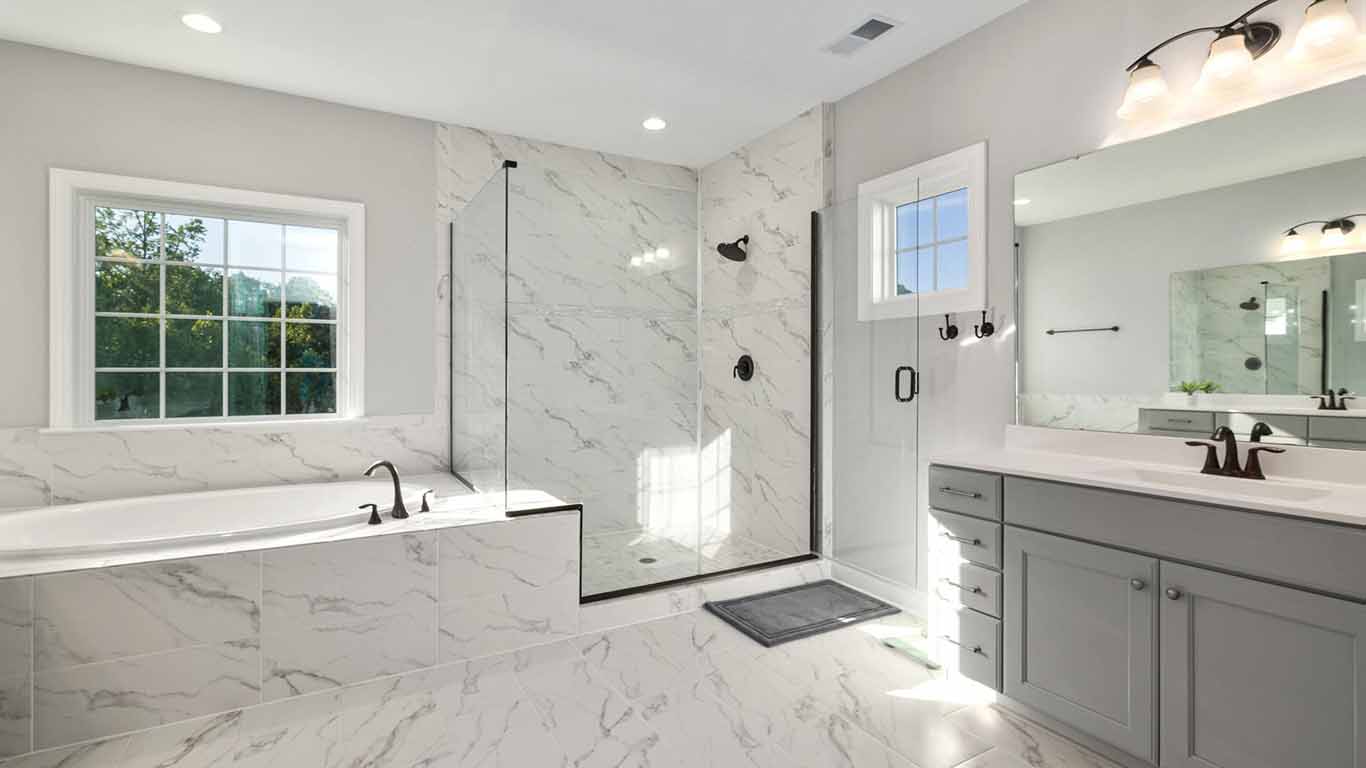
The planning of bathroom renovation today is more concerned with performance and not merely with the surface appearance. Shower and tub areas enjoy a continuous supply of moisture, change of temperature, and constant chemical cleaning.
Wall systems collapse frequently in the back of already complete surfaces and go undetected. These malfunctions cause the growth of mold and expensive structural damages. Choosing shower solid surface walls has a direct impact on the moisture control, durability, and the safety of the bathroom in the long term.
The correct wall systems guard the framing, insulation, and plumbing connections against the exposure. Healthy indoor air quality is also promoted by reliable materials. Strategic planning minimizes the unexpected repair cost. Bathroom decisions based on performance enhance reliability of the bathroom during a long period of household use.
Engineering Control Requirements: Moisture Control
There is a recurrent direct water exposure in shower and tubs environments as they are used on a daily basis. Finished surfaces should not be exposed to the possibility of moisture infiltrating behind the wall. Leaks of any type may deteriorate studs and insulation over time even small ones.
Continuous water barriers are superior to segmented assemblies, which have several seams. Less density in joints reduces the chances of sealants failure in the future. Corner, edge, and penetration of the fixtures are well sealed. Wet environment materials inhibit long-term stress of humidity.
Lack of moisture resistance encourages the growth of molds on the walls of wall cavities. Structural integrity is maintained by trustworthy moisture protection. Effective moisture control reduces the cost of remediation and maintenance costs.
Performance Evaluation Of Materials
The composition of materials determines the service life, stability, and durability. Nonporous materials have a low water absorption rate, and dimensional swelling. Thick building enhances cracking and thermal movement resistance. The same thickness allows correct alignment in the course of installation.
Finishes of good quality can be subjected to cleaning chemicals. Poor quality materials turn in color or weaken when consistently subjected to stress of moisture. Growth in manufacturing uniformity enhances joint dependability and seam fit.
Mounted accessories are not able to flex on rigid panels. The material confidence is frequently manifested in warranty coverage. The selection is done carefully so that predictable performance at long time of use of the bathroom is ensured.
Installation Accuracy Criticality
The quality of installations input in deciding whether wall systems will act in a certain manner. The preparation of substrates should offer flat and stable levels of mounting. Lack of uniform support puts strains which result in cracks or separation.
The joints and the plumbing penetrations are secured against leaks by sealing them. Solid surface for shower walls are in place, ensuring such a wall is water tight when exposed continuously. The positioning of fasteners should be done.
The installation faults often nullify the warranties and raise the likelihood of failure. Qualified installers save unwanted expensive corrective efforts in the future. Proper installation facilitates the proper functioning of materials. Hospitality craftsmanship guards the renovation capital and prolonged bathroom security.
Design Assimilation Planning
Wall paneling should blend in with tubs, fixtures and flooring. The thickness of panels has an effect on the trim and plumbing transitions. Placing seams within has an effect on the visual continuity of surfaces in general.
Neutral finishes are flexible to varying design interests. Excessive daring designs can restrain future attraction. Equal ratios are appropriate to bathrooms of different sizes. Interoperability eliminates installation issues in the case of renovation.
Co-ordinated finishes provide perceived quality and uniformity. Considerate assimilation promotes ease and practicality. There should not be any decisions made to design that affect performance requirements.
Conclusion
Bathroom wall panel is very essential in the durability and safety. The major performance requirement is moisture resistance. The quality of the materials defines the longevity and stability. Installation accuracy eliminates leakages and untimely system failure.
Cleanliness and comfort on a daily basis is supported by maintenance efficiency. Graffiti makes bathrooms more cohesive. Planning that focuses on performance minimizes the risks of repair over a long period of time.
Informed evaluation processes are enjoyed by the homeowners. Wall systems provide protection to structural elements that are hidden. This is due to careful choices that guarantee reliable performance of bathroom over many years.