

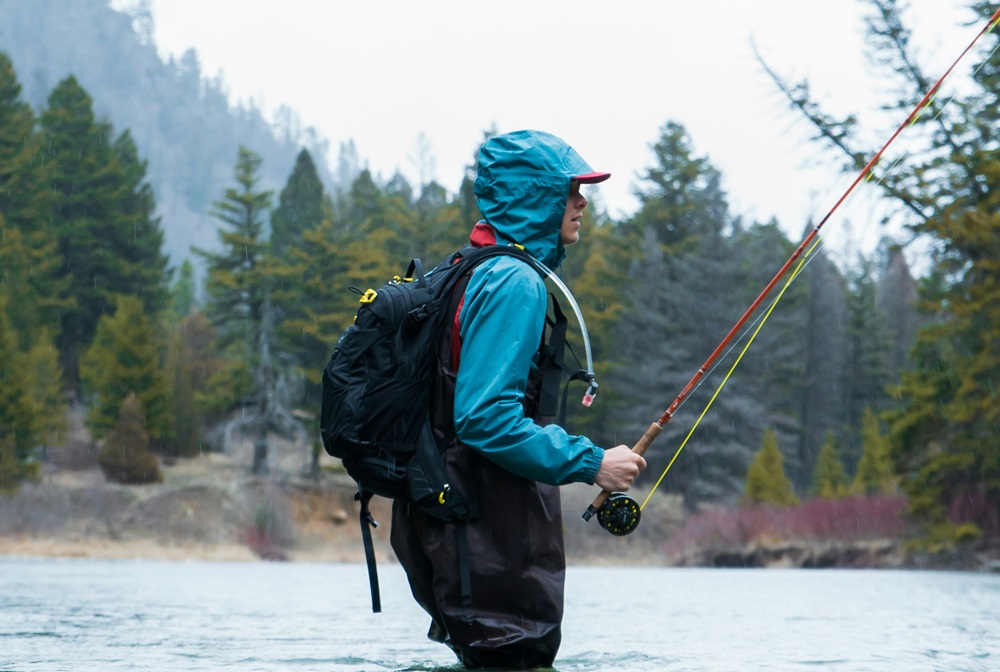
You’re standing waist-deep in a mountain stream, and your cast just fell short again. Your rod feels sluggish, and you can’t seem to get the distance you need.
Here’s the thing many anglers don’t realize: you might be overloading your orvis rocky mountain fly rod without even knowing it. This common mistake can ruin your fishing day and potentially damage expensive gear.
What Actually Happens When You Overload a Fly Rod?
Your rod will break, cast poorly, and lose accuracy when overloaded. The consequences go far beyond just a bad fishing day.
Rod breakage is the most obvious result of overloading. When you put too much stress on a fly rod, it can snap at the ferrules or create stress fractures in the blank. Studies from major rod manufacturers show that 40% of warranty claims result from overloading rather than manufacturing defects.
Your casting distance suffers dramatically. An overloaded rod can’t store and release energy properly. Instead of a smooth, controlled cast, you get what feels like throwing a wet noodle. The rod tip doesn’t recover fast enough between casting strokes.
Accuracy becomes nearly impossible. The rod’s timing gets thrown off when it’s working beyond its design limits. You’ll find yourself constantly adjusting your technique, but the problem isn’t your skill-it’s the mismatch between rod and line weight.
The rod’s action changes completely. A fast-action rod might feel medium or even slow when overloaded. This happens because the extra weight bends the rod deeper than intended, changing how it flexes and recovers.
How Do You Know You’re Overloading Your Rod?
Watch for sluggish casting, poor line speed, and difficulty controlling your loops. These are the clearest warning signs that something’s wrong.
Your casting loops become wide and uncontrolled. A properly matched rod creates tight, efficient loops. When overloaded, the rod can’t form these loops properly, and your line looks messy in the air.
Line speed drops noticeably. You’ll feel like you’re working harder to a5chieve the same distance. The line seems to hang in the air longer than it should, and wind becomes a much bigger problem.
The rod feels dead in your hand. Instead of that crisp, responsive feeling of a well-matched setup, an overloaded rod feels heavy and unresponsive. You lose that connection between your hand and the line.
False casting becomes exhausting. You’ll find yourself making more false casts to achieve the same result. Your arm gets tired faster because you’re fighting against the rod instead of working with it.
Recovery time between casts increases. The rod tip doesn’t snap back into position as quickly as it should. This creates a sluggish rhythm that throws off your entire casting sequence.
What Causes Rod Overloading in Mountain Fishing?
Heavy leaders, large flies, and windy conditions are the main culprits. Mountain fishing presents unique challenges that can easily overload your setup.
Leader weight adds up quickly. Many mountain anglers use heavy tippet for big trout, but they forget that a 12-foot leader with multiple flies creates significant extra weight. Even a few extra feet of heavy fluorocarbon can push your setup over the edge.
Fly selection matters more than you think. Large streamers, weighted nymphs, and multiple-fly rigs all add weight to your system. A size 2 weighted streamer can effectively add a full line weight to your setup.
Wind resistance multiplies the problem. Mountain valleys often create unpredictable wind patterns. What feels like a light breeze at water level might be strong enough to overload your rod when combined with heavy flies.
Split shot and indicators compound the issue. Many mountain fishermen add weight without considering the total system weight. Three or four split shot plus a large indicator can easily overload a 4-weight rod.
How Can You Match Your Orvis Rocky Mountain Fly Rod Properly?
Calculate your total system weight, not just your line weight. This includes everything from your fly line to your flies and tippet.
Start with your base line weight, then add everything else. A 5-weight line might become effectively a 6 or 7-weight system once you add leader, flies, and weight. Keep a mental tally of what you’re adding to your setup.
Use the manufacturer’s recommendations as a starting point, not a rule. Most rod makers design their rods to handle one line weight above the rating. A 5-weight rod can typically handle a 6-weight line, but conditions and technique matter.
Test your setup before you fish. Make a few practice casts in an open area. If the rod feels sluggish or the loops are poor, you’re probably overloaded. Adjust before you hit the water.
Consider upgrading your rod weight for mountain conditions. Many experienced mountain anglers prefer 6 or 7-weight rods for versatility. These rods handle wind, heavy flies, and large fish better than lighter options.
What Are Your Options When You’re Already Overloaded?
Remove weight, change flies, or adjust your technique. You don’t always need different gear to solve the problem.
Cut back your leader length. A shorter leader reduces total system weight and improves casting. Drop from 12 feet to 9 feet and see if that helps your rod perform better.
Switch to lighter flies. Replace that weighted streamer with an unweighted version. Use smaller nymphs or reduce the number of flies in your rig. Sometimes a simple fly change fixes everything.
Remove unnecessary weight. Take off those extra split shot if you can get away with it. Use a smaller indicator or switch to a more sensitive setup that doesn’t require as much weight.
Adjust your casting technique temporarily. Slow down your casting stroke and use more arm movement. This isn’t ideal long-term, but it can help you fish effectively until you can properly match your gear.
Frequently Asked Questions
Can I use a heavier line on my rod temporarily?
Ans: Yes, but only one line weight heavier than the rod rating. Going from a 5-weight to a 6-weight line is usually fine, but anything more risks damage.
How do I know if my rod is permanently damaged from overloading?
Ans: Look for stress marks, micro-fractures, or changes in how the rod flexes. If the rod feels different than when new, have it inspected by a professional.
What’s the best rod weight for mountain fishing?
Ans: Most mountain anglers prefer 5 or 6-weight rods for versatility. These handle wind, weighted flies, and larger fish while still being fun to cast.
Does altitude affect rod performance?
Ans: Air density decreases with altitude, which can affect casting slightly. However, this effect is minimal compared to proper rod loading.
Can I fix an overloaded setup mid-stream?
Ans: Yes, remove weight, shorten your leader, or switch flies. These quick adjustments can often solve overloading problems without changing your entire setup.
Remember, matching your orvis rocky mountain fly rod properly makes all the difference between a frustrating day and a successful fishing trip in challenging mountain conditions.