
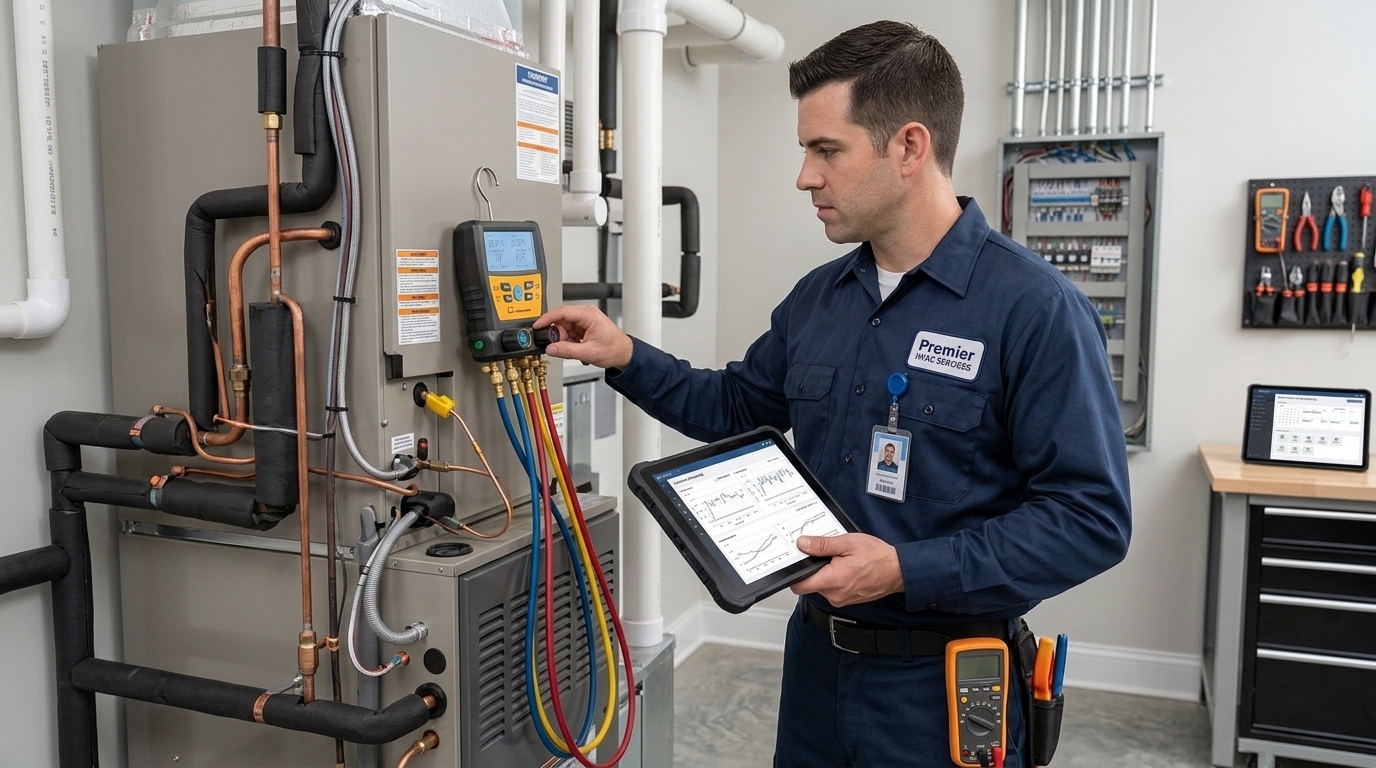
Heating and cooling systems work hard throughout the year to keep homes comfortable regardless of the season. During Michigan’s freezing winters and warm, humid summers, HVAC equipment often operates for extended periods, making routine wear and tear unavoidable.
Even well-maintained systems occasionally develop problems. Some issues appear gradually, while others occur unexpectedly during periods of peak demand. Recognizing the early warning signs of common HVAC problems can help homeowners schedule repairs before small issues become major equipment failures.
Many HVAC problems share similar symptoms, including poor airflow, unusual noises, uneven temperatures, or rising utility bills. Although some issues have simple solutions, others require professional diagnosis to ensure safe and reliable operation.
Homeowners who recognize these warning signs early often schedule professional HVAC repair service before problems become more extensive or expensive.
Quick Answer
Common HVAC problems include dirty air filters, weak airflow, thermostat malfunctions, refrigerant leaks, frozen coils, clogged condensate drains, unusual noises, electrical failures, and worn mechanical components. Routine maintenance and prompt repairs help improve system reliability, efficiency, and equipment lifespan.
Key Takeaways
- Most HVAC problems develop gradually.
- Dirty filters remain one of the most common causes of poor performance.
- Weak airflow can indicate several different mechanical issues.
- Strange noises should never be ignored.
- Refrigerant problems reduce efficiency and comfort.
- Routine maintenance helps identify developing issues early.
- Professional diagnosis prevents unnecessary equipment damage.
- Small repairs often prevent larger system failures.
Why HVAC Problems Develop
HVAC systems contain numerous mechanical, electrical, and refrigeration components that operate together throughout the year.
Over time, normal operation leads to:
- Mechanical wear
- Dust accumulation
- Electrical aging
- Airflow restrictions
- Component fatigue
Environmental conditions such as humidity, pollen, pet hair, and airborne debris may also accelerate equipment wear.
According to the U.S. Department of Energy, regular HVAC maintenance improves efficiency while helping identify developing problems before they become costly repairs.
1. Dirty Air Filters
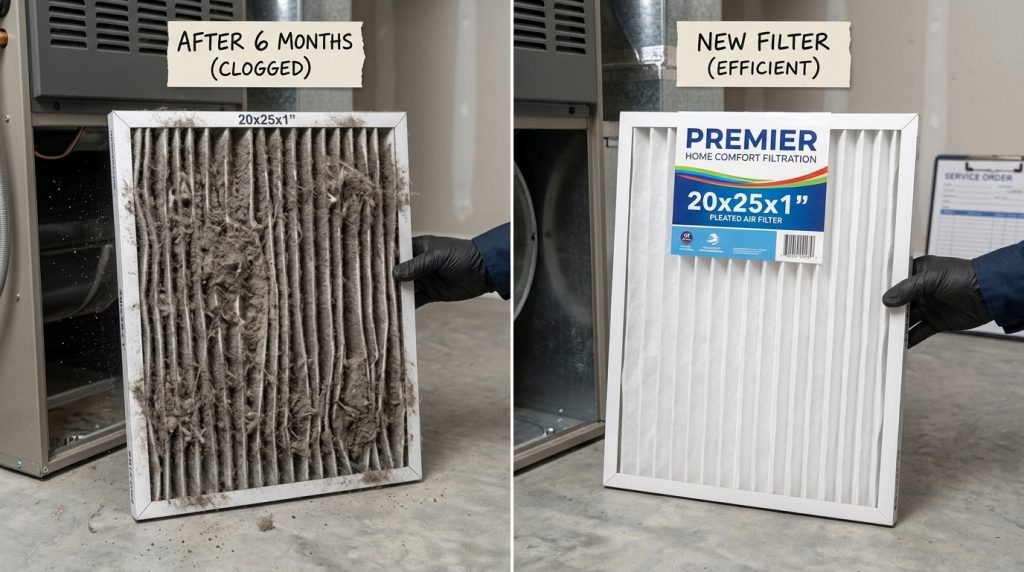
One of the most common HVAC problems is also one of the easiest to prevent.
A clogged air filter restricts airflow, forcing the HVAC system to work harder than necessary.
Common symptoms include:
- Weak airflow
- Higher energy bills
- Uneven temperatures
- Reduced comfort
- Increased equipment wear
Most filters should be inspected monthly and replaced according to manufacturer recommendations.
2. Weak Airflow
Weak airflow is one of the most frequently reported HVAC concerns.
Possible causes include:
- Dirty filters
- Blower motor problems
- Blocked ductwork
- Frozen evaporator coils
- Fan malfunctions
Because several different problems produce similar symptoms, professional diagnosis is often recommended.
Many homeowners contact an experienced HVAC repair company when airflow problems continue after replacing the air filter.
3. Thermostat Problems
Not every HVAC issue originates inside the equipment.
Faulty thermostats may cause:
- Incorrect temperature readings
- Frequent cycling
- Failure to reach desired temperatures
- Delayed system response
- Programming problems
Modern programmable and smart thermostats generally improve comfort, but they occasionally require recalibration, updates, or replacement.
4. Refrigerant Leaks
Air conditioners and heat pumps rely on refrigerant to transfer heat.
When refrigerant levels become low because of leaks, homeowners may notice:
- Poor cooling performance
- Longer operating cycles
- Ice formation
- Increased electricity usage
Because refrigerant handling requires specialized equipment and certification, professional service is necessary.
The U.S. Environmental Protection Agency provides guidance on refrigerant management and proper HVAC maintenance practices.
5. Frozen Evaporator Coils
Frozen coils often indicate an underlying airflow or refrigerant problem.
Common causes include:
- Dirty filters
- Refrigerant leaks
- Blower problems
- Blocked airflow
Ice accumulation reduces HVAC efficiency and may eventually prevent the system from heating or cooling effectively.
Prompt diagnosis helps minimize additional equipment damage.
6. Electrical Component Failures
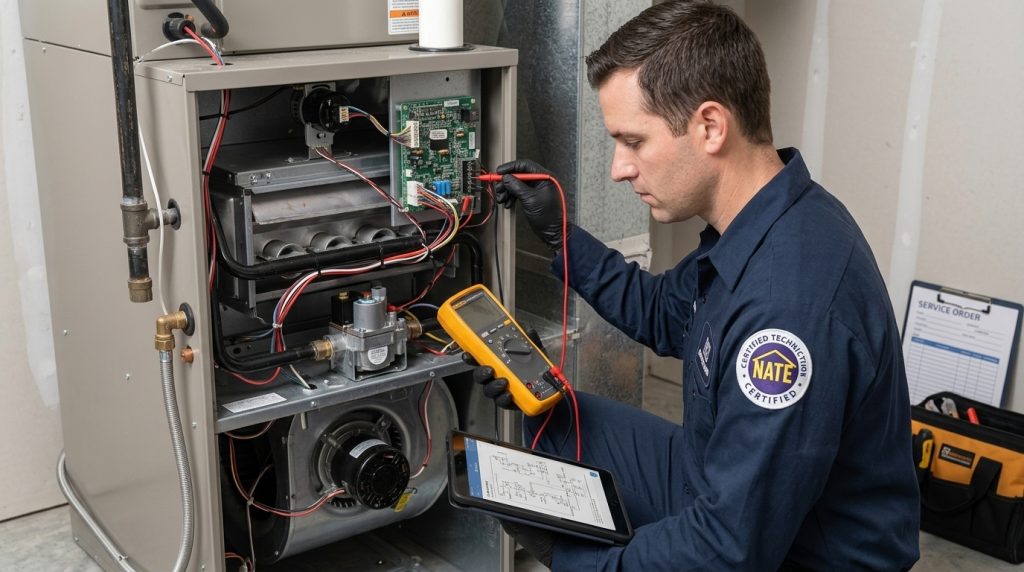
Modern HVAC systems depend on numerous electrical components working together to operate safely and efficiently.
Common electrical issues include:
- Failed capacitors
- Worn contactors
- Loose wiring
- Damaged relays
- Blown fuses
- Circuit board failures
Electrical problems may cause the system to:
- Fail to start
- Shut down unexpectedly
- Cycle irregularly
- Operate intermittently
Because electrical repairs involve safety risks, homeowners should avoid attempting complex repairs themselves.
7. Unusual Noises
HVAC systems normally produce low operating sounds, but new or increasingly loud noises often indicate developing mechanical problems.
Common warning sounds include:
- Grinding
- Banging
- Buzzing
- Squealing
- Clicking
- Rattling
Possible causes include:
- Loose components
- Worn bearings
- Blower motor issues
- Compressor problems
- Fan damage
Ignoring unusual noises may allow additional equipment damage to occur.
8. Clogged Condensate Drains
Air conditioning systems naturally remove moisture from indoor air.
This moisture drains away through a condensate line.
Over time, algae, dirt, and debris may clog the drain, leading to:
- Water leaks
- Overflow
- Higher indoor humidity
- Water damage
- Automatic system shutdowns
Routine maintenance helps keep condensate drainage systems functioning properly.
9. Rising Utility Bills
Many HVAC problems first become noticeable through increasing energy costs.
If utility bills continue rising without significant weather changes, the HVAC system may be operating inefficiently.
Common causes include:
- Dirty coils
- Airflow restrictions
- Refrigerant issues
- Aging components
- Electrical problems
- Worn motors
According to the U.S. Environmental Protection Agency, maintaining high-efficiency HVAC equipment and following recommended ENERGY STAR heating and cooling guidance can help reduce energy consumption and improve overall system performance.
HVAC System Repair or Replacement?
Not every HVAC problem requires complete equipment replacement.
In many cases, professional HVAC system repair restores normal operation and extends equipment life.
However, replacement may become the better long-term option when:
- Equipment is nearing the end of its lifespan.
- Repairs become increasingly frequent.
- Energy efficiency has declined significantly.
- Major components fail.
- Repair costs approach replacement costs.
An experienced technician can help homeowners compare repair costs with the long-term benefits of installing newer equipment.
Scheduling prompt HVAC system repair often prevents minor issues from becoming major mechanical failures.
Choosing a Qualified HVAC Contractor
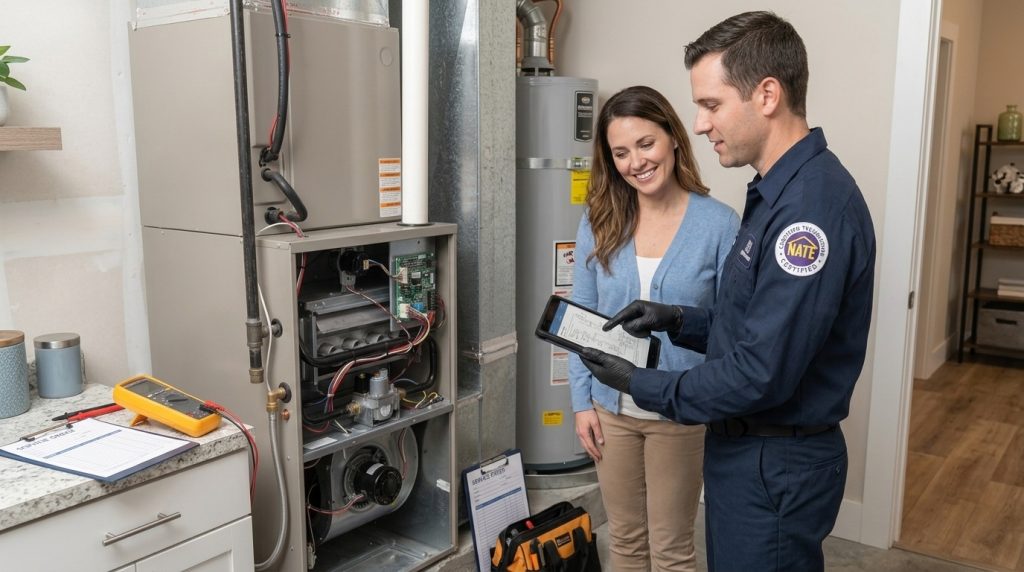
Proper diagnosis is one of the most important parts of HVAC repair.
Rather than replacing parts unnecessarily, experienced technicians identify the root cause of the problem before recommending repairs.
When comparing contractors, homeowners should consider:
- Licensing and insurance
- Experience with multiple HVAC brands
- Diagnostic capabilities
- Emergency repair availability
- Warranty support
- Preventative maintenance programs
Many homeowners also review public business profiles to better understand customer experiences, professionalism, and service quality before selecting an HVAC contractor.
Following recognized indoor air quality best practices alongside routine maintenance can also improve indoor comfort and support healthier living environments.
Preventative Maintenance Helps Prevent Common Problems
Many of the HVAC issues discussed in this guide can be minimized through routine preventative maintenance.
Professional inspections commonly include:
- Air filter inspection
- Refrigerant testing
- Electrical diagnostics
- Coil cleaning
- Airflow measurement
- Safety control testing
- Thermostat calibration
Regular maintenance allows technicians to identify worn components before they result in unexpected system failures.
Conclusion
Most HVAC systems experience some level of wear over time, but many common problems provide warning signs long before complete equipment failure occurs. Weak airflow, unusual noises, thermostat issues, refrigerant leaks, frozen coils, clogged drains, electrical problems, and rising energy bills all deserve prompt attention.
Addressing these issues early often reduces repair costs, improves energy efficiency, and extends the life of heating and cooling equipment. While homeowners can perform basic maintenance tasks, many HVAC problems require professional diagnosis to ensure safe, reliable, and effective repairs.
For homeowners seeking dependable year-round comfort, combining preventative maintenance with timely professional repairs remains one of the best strategies for maximizing HVAC performance and minimizing unexpected breakdowns.
Frequently Asked Questions
What are the most common HVAC problems homeowners experience?
Some of the most common HVAC issues include:
- Dirty air filters
- Weak airflow
- Thermostat malfunctions
- Refrigerant leaks
- Frozen evaporator coils
- Electrical component failures
- Clogged condensate drains
- Unusual noises
- Rising energy bills
Many of these problems can be minimized through routine maintenance.
What causes weak airflow from an HVAC system?
Weak airflow may result from:
- Dirty air filters
- Blocked ductwork
- Blower motor problems
- Frozen evaporator coils
- Fan malfunctions
If replacing the filter does not improve airflow, professional diagnosis is recommended.
Why is my HVAC system making strange noises?
Grinding, squealing, buzzing, banging, or rattling noises often indicate loose components, worn bearings, motor issues, or compressor problems. Scheduling professional HVAC repair service early may prevent more serious equipment damage.
How do I know if my HVAC system has a refrigerant leak?
Common signs include:
- Reduced cooling performance
- Longer cooling cycles
- Ice buildup on refrigerant lines or coils
- Higher energy bills
- Warm air from supply vents
Refrigerant repairs should always be handled by licensed HVAC professionals.
Is a frozen evaporator coil serious?
Yes. While the ice itself may not permanently damage the system, frozen coils usually indicate another underlying problem such as restricted airflow or low refrigerant. Prompt service helps prevent additional mechanical issues.
Why are my utility bills suddenly increasing?
Higher energy bills often indicate declining HVAC efficiency. Dirty coils, clogged filters, worn motors, refrigerant leaks, aging equipment, or electrical issues may all increase operating costs.
Can thermostat problems affect HVAC performance?
Absolutely. Faulty thermostats may cause incorrect temperature readings, frequent cycling, delayed system operation, or failure to maintain desired indoor temperatures.
How often should HVAC systems be inspected?
Most residential systems benefit from professional maintenance at least once each year. Heat pumps that operate year-round often perform best with inspections during both spring and fall.
When should I repair my HVAC system instead of replacing it?
Professional HVAC system repair is often appropriate when:
- Equipment is relatively new
- Repairs are minor
- Overall system condition remains good
- Repair costs are significantly lower than replacement
Older systems with repeated failures may justify replacement instead.
Can preventative maintenance reduce HVAC repairs?
Yes. Preventative maintenance helps identify worn components before they fail, improving reliability while reducing the likelihood of unexpected breakdowns and emergency repairs.
What should homeowners check before calling an HVAC technician?
Before scheduling service, homeowners can:
- Replace the air filter
- Verify thermostat settings
- Check circuit breakers
- Ensure supply and return vents are open
- Remove debris around outdoor equipment
If problems persist, professional diagnosis is recommended.
How do I choose a reliable HVAC repair company?
When selecting an HVAC repair company, homeowners should consider licensing, experience, customer reviews, diagnostic capabilities, warranty support, maintenance plans, and emergency service availability.