


Restaurants often serve a role that extends beyond providing food. In many communities, restaurants become gathering spaces where people celebrate milestones, meet friends, support local activities, and create shared memories.
A restaurant with strong community connections often develops relationships through consistent service, local involvement, and meaningful customer experiences. These connections can grow over time as customers return regularly and associate the restaurant with important moments in their lives.
Community-focused restaurants understand that long-term success is connected to the people they serve. By creating welcoming environments and supporting local initiatives, restaurants can become valued parts of the communities around them.
Key Takeaways
- Restaurants can become important community gathering spaces beyond their role as food providers.
- Strong community connections develop through trust, consistency, and customer relationships.
- Local involvement can help restaurants build meaningful connections with residents.
- Family meals, celebrations, and gatherings create shared experiences.
- Supporting community initiatives can strengthen relationships between restaurants and customers.
- A welcoming dining environment encourages repeat visits and customer loyalty.
- Community-focused restaurants often become familiar and trusted local destinations.
What Does Community Mean for a Restaurant?
For restaurants, community refers to the relationships built with customers, local organizations, employees, and surrounding neighborhoods.
A restaurant’s community may include:
- Regular customers
- Local families
- Nearby businesses
- Community organizations
- Event participants
- Restaurant employees
These relationships are developed through everyday interactions, not only through special events or promotions.
A restaurant becomes part of a community when people recognize it as a place where they feel comfortable gathering and connecting.
Why Restaurants Become Community Gathering Places
Food naturally brings people together. Restaurants provide spaces where people can share experiences that go beyond the meal itself.

Common reasons people gather at restaurants include:
- Family dinners
- Birthday celebrations
- Business meetings
- Social gatherings
- Community events
- Holiday meals
A restaurant environment can create opportunities for conversation, connection, and shared experiences.
Over time, these repeated visits can transform a restaurant from simply a dining location into a familiar community space.
How Restaurants Build Relationships With Local Customers
Strong customer relationships are usually built through consistent positive experiences.
Restaurants can strengthen these connections through:
- Friendly service
- Reliable food quality
- Welcoming atmosphere
- Recognition of returning customers
- Understanding customer preferences
Customers often return to restaurants where they feel valued and comfortable.
A restaurant that remembers its customers and consistently provides enjoyable experiences can develop stronger long-term relationships.
Why Local Restaurant Support Matters
Local restaurants often contribute to the character of their communities.
When customers choose local dining options, they help support:
- Local employment
- Community activity
- Regional food culture
- Nearby businesses
Restaurants can also create spaces where local residents interact and build connections.
A community-focused restaurant can become part of the identity of the area it serves.
How Restaurants Support Their Communities
Restaurants support communities in different ways.
Common examples include:
- Participating in local events
- Supporting charitable activities
- Providing gathering spaces
- Creating employment opportunities
- Collaborating with community organizations
Community support does not always require large initiatives. Everyday interactions and reliable service also contribute to stronger relationships.
Why Community Involvement Builds Restaurant Trust
Customers often appreciate businesses that demonstrate involvement beyond their primary services.
Community involvement can help restaurants develop trust because it shows:
- Commitment to local relationships
- Awareness of community needs
- Interest in supporting shared goals
Trust develops when customers see a restaurant as a participant in the community rather than only a business operating within it.
How Restaurants Support Local Causes
Many restaurants participate in community initiatives through different types of support.
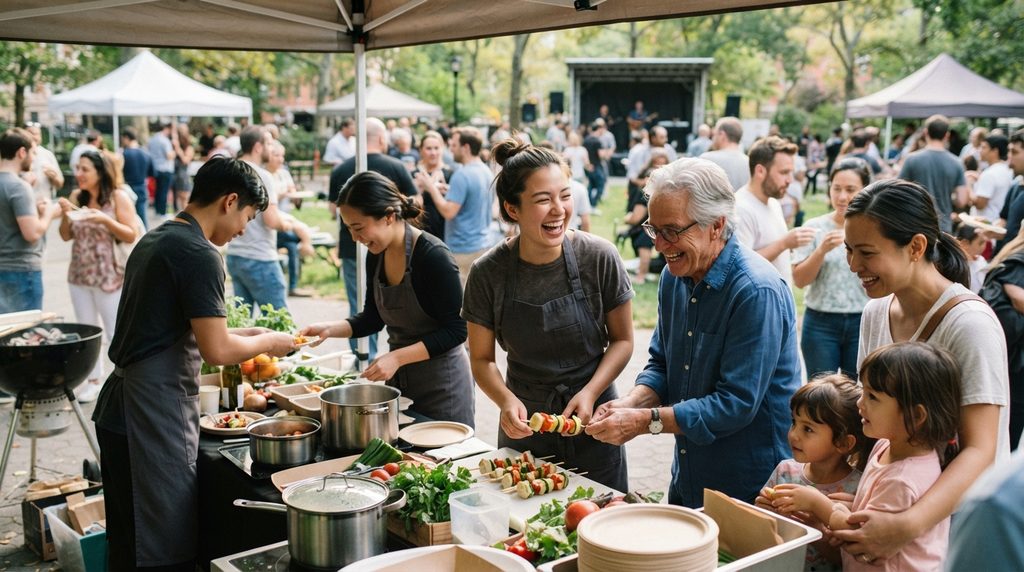
Examples may include:
- Donation programs
- Fundraising events
- Community partnerships
- Support for local organizations
For organizations seeking restaurant assistance, programs such as restaurant donation requests can provide a structured way to explore potential partnerships.
How Family Dining Strengthens Community Connections
Family meals are one of the most common ways restaurants connect with communities.
Restaurants often become places where families:
- Celebrate important occasions
- Spend quality time together
- Create traditions
- Share experiences
A restaurant that provides a comfortable family environment can become part of customers’ routines.
These repeated experiences help strengthen the relationship between the restaurant and the community.
Why Community Restaurants Create Lasting Memories
People often remember restaurants because of the experiences connected to them.
A restaurant may be associated with:
- First dates
- Family celebrations
- Graduation meals
- Holiday gatherings
- Regular weekly dinners
These memories create emotional connections that go beyond individual meals.
A restaurant’s role in these moments can influence how customers view and recommend the business.
How Restaurants Create Welcoming Environments
A welcoming restaurant experience depends on multiple factors.
Important elements include:
- Comfortable seating
- Friendly staff
- Consistent service
- Quality food
- Clean surroundings
- Inclusive atmosphere
When customers feel comfortable, they are more likely to return and share their experiences with others.
How Employees Influence Community Relationships
Restaurant employees often represent the connection between the business and its customers.
Positive customer interactions can come from:
- Friendly greetings
- Helpful recommendations
- Attentive service
- Knowledge of menu options
Employees who create welcoming experiences contribute significantly to how customers remember the restaurant.
How Restaurants Connect With Different Groups
A community includes people with different needs and preferences.

Restaurants can strengthen connections by offering experiences suitable for:
- Families
- Older adults
- Young professionals
- Local businesses
- Community groups
Menu variety, flexible seating, and welcoming service can help restaurants appeal to different parts of the community.
How Restaurants Support Community Events
Community events provide opportunities for restaurants to participate in local activities.
Examples include:
- Local celebrations
- Fundraisers
- Neighborhood events
- Seasonal gatherings
Participation allows restaurants to interact with customers outside regular dining visits.
These connections can strengthen awareness and familiarity within the community.
Why Community Reputation Matters
A restaurant’s reputation often develops through customer experiences and word-of-mouth recommendations.
Customers may consider:
- Food quality
- Service
- Community involvement
- Overall experience
A positive community reputation can encourage new customers to visit while strengthening loyalty among existing guests.
How Restaurants Balance Business Goals and Community Relationships
Restaurants are businesses, but strong community relationships often develop when customer connections remain a priority.
Successful restaurants balance:
- Quality operations
- Customer service
- Community involvement
- Long-term relationships
A community-focused approach can support sustainable growth by encouraging customer trust and repeat visits.
How Digital Presence Supports Community Engagement
Today, restaurants often maintain community connections through digital platforms.
Online channels can help restaurants:
- Share updates
- Highlight community involvement
- Announce events
- Communicate with customers
A clear digital presence allows customers to stay connected beyond their physical visits.
How Restaurants Can Continue Strengthening Community Ties
Building community relationships requires ongoing effort.
Restaurants can continue strengthening connections by:
- Listening to customers
- Supporting meaningful initiatives
- Maintaining quality standards
- Creating welcoming experiences
- Participating in local activities
Community relationships are built over time through consistent actions.
How Community-Focused Restaurants Create Long-Term Value
Restaurants that build strong community relationships often become more than places to eat.
They can become:
- Meeting spaces
- Family traditions
- Local gathering points
- Recognized community businesses
The value comes from the relationships created between the restaurant and the people it serves.
Frequently Asked Questions
How do restaurants support local communities?
Restaurants support local communities through customer relationships, employment opportunities, local partnerships, charitable efforts, and by providing spaces where people gather and connect.
Why are restaurants important community spaces?
Restaurants provide places where people can share meals, celebrate occasions, meet others, and create memories. Over time, these experiences can make restaurants important parts of local communities.
How can restaurants build stronger customer relationships?
Restaurants can build stronger relationships through consistent food quality, friendly service, welcoming environments, community involvement, and understanding customer needs.
Why do customers prefer community-focused restaurants?
Customers often appreciate restaurants that provide reliable experiences and demonstrate connections with the people and organizations around them.
How do restaurant donation programs support communities?
Restaurant donation programs can help organizations request support for community initiatives, fundraising efforts, and local causes while allowing restaurants to participate in meaningful activities.
Conclusion
Restaurants play an important role in many communities by providing spaces where people gather, celebrate, and connect. Their impact often extends beyond food through relationships built with customers, employees, and local organizations.
Community connections develop through consistent experiences, welcoming environments, and meaningful participation in local activities. A restaurant that becomes familiar and trusted can become part of the traditions and memories of the people it serves.
By focusing on relationships, service quality, and community involvement, restaurants can create lasting connections that benefit both the business and the community around it.