

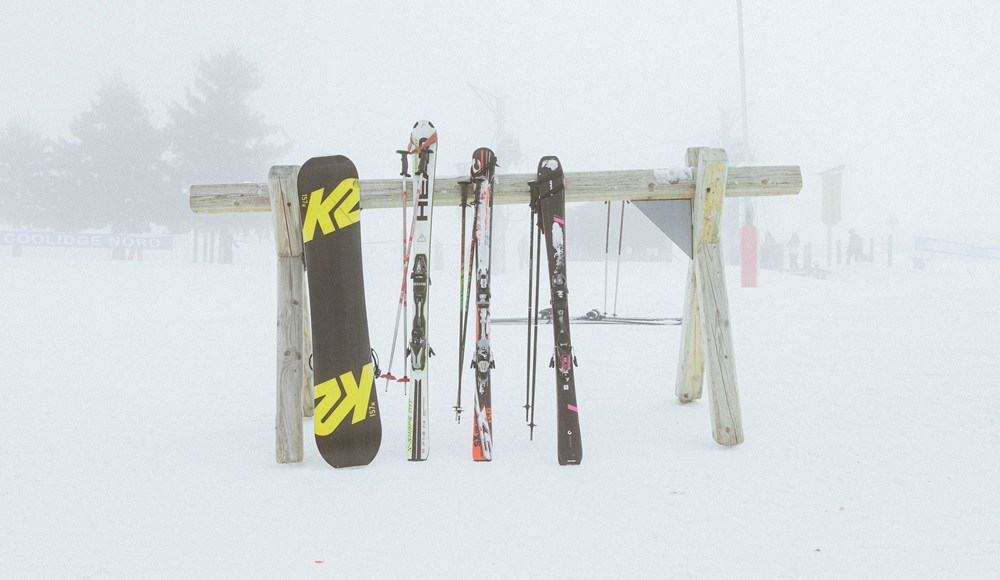
Buying skis you can’t touch is a bit of a gamble. Photos hide a lot, and used or demo pairs (skis a shop rented out for customers to try) carry a history you can’t see.
If you want to purchase skis online and keep the price sensible, you need to know what to look for and what to ask. This guide is for skiers who know the basics but have never bought a pair sight unseen.
Why Used and Demo Skis Are Worth a Look
Used and demo skis usually cost less than a new pair of the same model. That makes them a popular pick for beginners, growing kids and anyone trying a new style of skiing.
The catch is condition. A pair that looks fine in a listing can have damage that only shows in the right photo.
What to Check on the Skis Themselves
Ask the seller for close up photos of each of these areas before you commit:
- Top sheet: Light scratches are normal. Deep gouges or lifting layers are a problem, because water can reach the core.
- Sidewalls: Cracks, even small ones, point to impact damage and a weakened core. Walk away from those pairs.
- Base: A smooth base is a good sign. A dry, chalky base runs slowly.
- Edges: They should be smooth and free of rust. Ask about core shots (deep gashes that reach the core) and whether any repairs were done cleanly.
- Delamination: Bubbling or large separated patches usually mean moisture has gotten inside.
How to Judge the Bindings
Bindings keep you safe on the hill, so they deserve more attention than the skis.
Look at these points in the photos and in the seller’s answers:
- Age: Bindings older than about 7 years are often refused by ski shops for service. That can leave you unable to get them adjusted.
- Wear: Check for cracks, worn contact points and loose hardware.
- DIN range: DIN (Deutsches Institut für Normung) is the scale that sets how much force it takes for a binding to release. Make sure the range suits your weight and skiing level.
- Demo bindings: They are bigger and heavier than standard ones, which is why some skiers avoid them.
Why Mounting History Matters
Every mount drills new holes in the ski. Repeated drilling weakens its structure.
A common rule of thumb says skis can be mounted about 3 times before shops refuse to touch them. A single earlier mount is ideal, since you will probably need a fresh mount for your own boots anyway.
Questions to Ask the Seller Before You Pay
A good seller answers these quickly and without fuss:
- Use: How many seasons have the skis seen, and were they a rental or demo pair?
- Mounts: How many times were they drilled, and where are the old holes?
- Repairs: Has the base, an edge or a sidewall ever been fixed? Can you see photos?
- Tune: When were the skis last waxed and tuned?
- Returns: What happens if the skis arrive in worse shape than the listing showed?
Where to Buy Used and Demo Skis Online
A ski shop is usually the most reliable route. Shop gear has typically been inspected, and staff can answer questions about age and condition.
Marketplaces such as eBay and Facebook Marketplace can have good deals, but nobody has vetted the gear. Outdoor gear marketplaces such as Geartrade let you browse used and new skis in one place, which makes it easier to compare price and condition across listings.
FAQ
These are common questions skiers ask before they order:
Is It Safe to Buy Used Skis Online?
It can be, if you check clear photos of the base, edges, sidewalls and bindings. Buying from a shop that inspects its gear lowers the risk.
Are Demo Skis a Good Deal?
They can be, especially if you need bindings. The price should reflect the wear, so check the condition first.
Do Demo Skis Come With a Tune?
Some shops give demo skis a full tune before selling them. Ask the seller to confirm what was done and when.
Should I Read Reviews Before I Buy?
Yes. Check reviews of the ski model and look for recalls, especially on bindings and boots.
Can I Return Skis I Bought Online?
It depends on the seller. Ask about return terms before you pay, since policies differ between shops and private sellers.
Final Thoughts
Buying used or demo skis online works best when you check a few things first. Look closely at the base, edges, sidewalls and bindings.
Then ask about mounts, repairs and returns before you pay. A little patience with the photos can save you from an expensive surprise.