

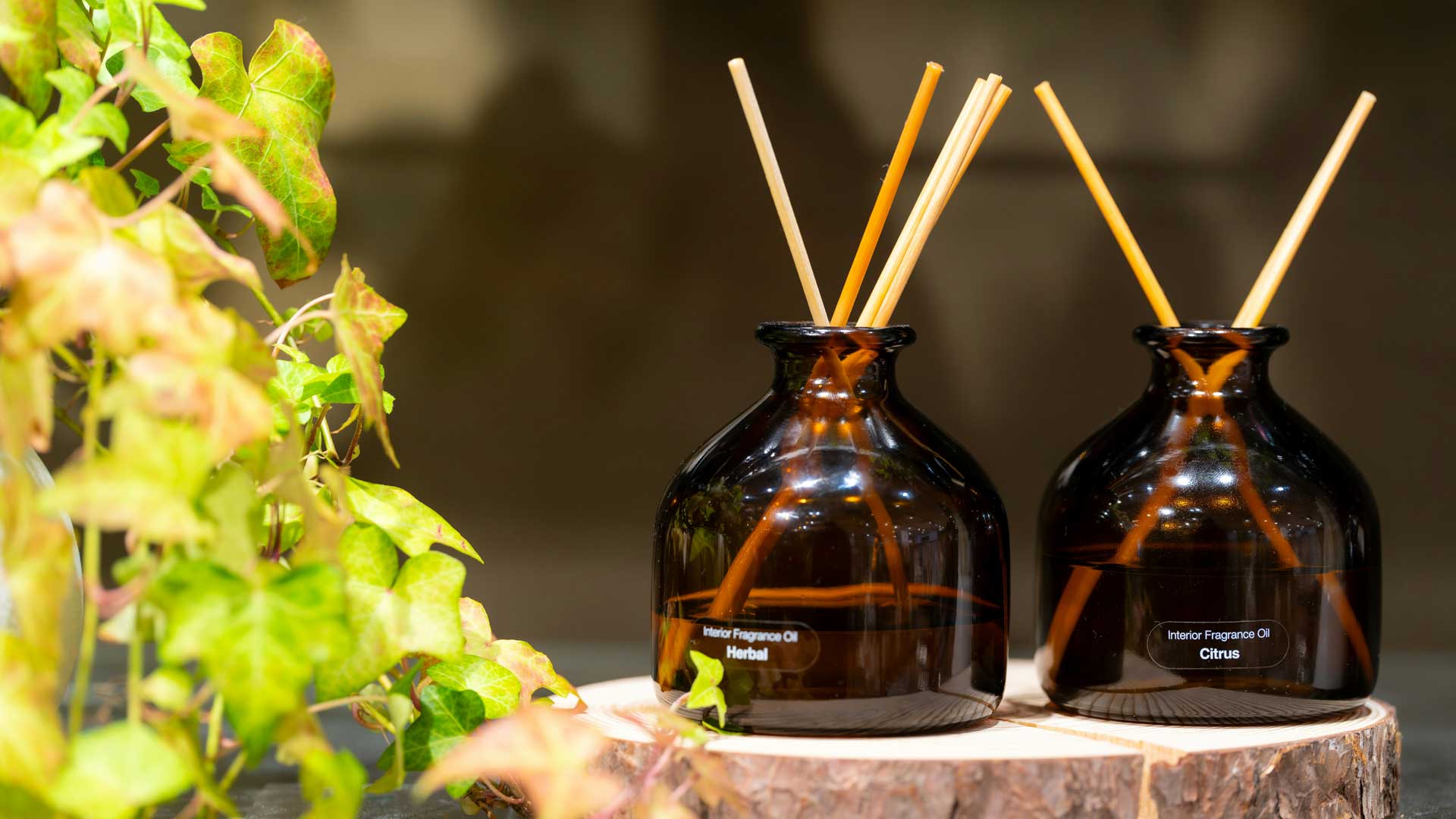
Creating a comfortable indoor environment involves more than choosing attractive furniture, maintaining suitable temperatures, and keeping surfaces clean. Fragrance can also influence the way people experience a room. A pleasant scent can complement a property’s atmosphere, while persistent unpleasant odors may negatively affect the impression of customers, guests, employees, or residents.
A diffuser provides a practical way to introduce fragrance into an indoor environment. However, choosing the right equipment requires more consideration than simply selecting a device with an attractive design. Room size, ceiling height, ventilation, occupancy, fragrance intensity, operating hours, and the intended purpose of the space can all affect performance.
For businesses and property managers comparing a best room aroma diffuser, the main objective should be finding equipment that matches the specific environment. A small office, hotel lobby, retail store, restaurant, and large commercial room can have very different scenting requirements.
Why Room Size Matters
The physical dimensions of a room have a direct effect on how fragrance is distributed.
A small room can become heavily scented very quickly if a high-output device is used. In contrast, a large open room may require more powerful equipment or multiple strategically positioned units to achieve consistent coverage.
Before choosing a diffuser, it is useful to determine:
- Approximate floor area
- Ceiling height
- Room configuration
- Number of occupants
- Airflow patterns
- HVAC operation
- Frequency of door opening
- Desired fragrance intensity
These factors provide a better basis for equipment selection than room size alone.
Small Rooms Require Controlled Output
Small rooms, such as offices, reception rooms, restrooms, consultation spaces, and compact waiting areas, generally require less fragrance output.
In an enclosed environment, excessive fragrance can quickly become noticeable and potentially uncomfortable. Adjustable equipment is therefore particularly useful because it allows users to reduce output according to the size and ventilation of the space.
A moderate setting can provide a background scent without making the fragrance the dominant feature of the room.
Large Rooms Need Effective Coverage
Large commercial rooms present the opposite challenge. A small diffuser may produce noticeable fragrance close to the equipment while leaving distant areas unaffected.
Large spaces can include:
- Hotel lobbies
- Retail showrooms
- Event halls
- Fitness centers
- Large reception areas
- Open-plan offices
- Commercial lounges
In these environments, businesses may need equipment with greater coverage capacity or several units positioned throughout the area.
The goal is even distribution rather than simply increasing the output of one device.
Understanding Diffusion Technology
Different types of diffusers use different methods to release fragrance.
Water-based systems combine fragrance oils with water and produce a scented mist. Other devices rely on heat or passive evaporation.
Commercial scenting systems may use cold-air or dry diffusion. This technology uses pressurized air to atomize fragrance oil into very small particles before dispersing it into the environment.
Because water is not required, dry diffusion does not add additional moisture to the room. This can be useful in commercial spaces containing electronics, furnishings, documents, or other materials where excess moisture may be undesirable.
The most appropriate technology depends on the property’s needs and the desired method of fragrance distribution.
Considering Ceiling Height
Floor area alone does not tell the complete story.
A room with standard ceilings may distribute fragrance differently from a large lobby with a high ceiling. Increased vertical space can affect how fragrance particles move and how quickly a scent becomes noticeable at occupant level.
Businesses with tall ceilings should therefore consider both floor area and vertical dimensions when selecting equipment.
High-ceiling environments may benefit from systems designed for larger coverage or from multiple strategically positioned units.
Airflow Has a Major Influence
Air movement can significantly affect fragrance distribution.
HVAC systems, ceiling fans, open windows, exterior doors, and natural ventilation can move fragrance throughout a building. Strong airflow can disperse fragrance quickly, while limited circulation may cause it to accumulate in specific locations.
Equipment placement should take these factors into account.
A diffuser positioned directly beside an exterior entrance may lose fragrance quickly as air moves outside. A unit placed in a corner with limited circulation may create a strong concentration nearby without providing adequate coverage elsewhere.
Understanding airflow can help create a more balanced scenting environment.
Choosing Fragrance for the Room
Equipment selection and fragrance selection should be considered together.
Different rooms can require different fragrance characteristics.
Reception Areas
Reception areas are often the first point of contact between a business and its visitors. Fresh, clean, citrus, or sophisticated woody profiles may work well depending on the property’s identity.
Offices
Office environments typically benefit from subtle fragrances. Employees may spend many hours indoors, so heavy or highly concentrated scents can become distracting.
Hotel Rooms and Lobbies
Hospitality environments may use elegant combinations of floral, woody, amber, or fresh notes. Lobbies can usually support more noticeable scenting than individual guest rooms.
Retail Spaces
Retail stores may choose fragrance profiles that complement their merchandise and interior design. A carefully selected scent can become part of the overall shopping environment.
Restaurants
Restaurants require special care because food aromas are an important part of the customer experience. Fragrance should not overpower or conflict with the smell of food.
Fragrance Intensity Should Remain Adjustable
The strongest fragrance is not necessarily the most effective.
A well-designed commercial scenting program aims for a controlled background fragrance. The scent should be noticeable enough to improve the atmosphere but subtle enough that customers and employees can remain comfortable.
Intensity can be affected by:
- Room size
- Temperature
- Occupancy
- Ventilation
- Ceiling height
- Fragrance concentration
- Operating duration
Adjustable equipment gives businesses greater flexibility when environmental conditions change.
Standalone Diffusers for Individual Rooms
Standalone systems are useful when fragrance is needed in specific rooms rather than throughout an entire building.
They can be installed in:
- Small offices
- Reception areas
- Waiting rooms
- Hotel corridors
- Restrooms
- Retail spaces
- Lounges
- Apartment entrances
One advantage is that individual areas can be managed separately. If one room requires more or less fragrance than another, the settings can be adjusted without affecting the entire property.
HVAC-Integrated Scenting
Larger properties may benefit from integrating fragrance distribution with their existing HVAC systems.
An HVAC-connected system can introduce fragrance into the building’s airflow, allowing it to travel through designated areas.
This approach can be suitable for:
- Large hotels
- Office buildings
- Apartment complexes
- Retail facilities
- Large commercial spaces
However, HVAC systems are complex, and different zones may have different airflow patterns. Some areas may receive more air circulation than others.
A professional assessment is useful before deciding whether centralized scenting is appropriate.
Programmable Operating Schedules
Commercial rooms may not be occupied continuously. Businesses can reduce unnecessary operation by scheduling fragrance according to their operating hours.
A programmable system can potentially:
- Start before opening.
- Operate during customer hours.
- Adjust output during peak traffic.
- Reduce output during quiet periods.
- Stop operation when the building closes.
Hotels and 24-hour facilities may require different schedules from traditional offices or retail stores.
Scheduling can also help maintain consistent fragrance levels while avoiding unnecessary consumption.
Selecting Fragrance Profiles
The fragrance should match the purpose of the room.
Citrus fragrances are often associated with freshness and energy. Woody profiles can create a warm and sophisticated atmosphere. Floral fragrances may provide a softer character, while aquatic or green profiles can create a light and refreshing impression.
Businesses can consider several broad categories:
- Citrus
- Floral
- Woody
- Herbal
- Green
- Aquatic
- Fruity
- Amber
- Fresh and clean
Testing several options before making a final selection can help identify the most suitable profile.
Testing Fragrance Before Installation
A fragrance can smell very different when diffused into a room compared with how it smells from a sample bottle.
Room temperature, airflow, furniture, wall materials, occupancy, and ventilation can all influence the final result.
A trial can help businesses determine:
- Whether the fragrance is too strong
- How quickly it spreads
- How long it remains noticeable
- Whether coverage is consistent
- Whether the scent complements the room
- How occupants respond
Testing is particularly important when a business intends to use the same fragrance across multiple rooms or locations.
Commercial Rooms With High Foot Traffic
High-traffic environments can require special attention.
Retail stores, hotel lobbies, fitness centers, entertainment venues, and public facilities may experience substantial changes in occupancy throughout the day.
Higher occupancy can influence how fragrance is perceived and distributed. Frequent opening and closing of doors can also introduce outside air and affect scent concentration.
Businesses should monitor these spaces during both busy and quiet periods and adjust fragrance output accordingly.
Managing Fragrance in Offices
Office environments deserve particular consideration because employees may spend most of their working day indoors.
A fragrance that feels pleasant for a short visit may become distracting after several hours of exposure.
Office managers can consider using subtle profiles and lower output levels, particularly in enclosed work areas.
Reception areas, waiting rooms, and common spaces may be more suitable for fragrance than individual workstations.
Hotel Applications
Hotels have several areas where fragrance can contribute to the overall environment.
Lobbies and reception spaces are particularly important because they influence the initial impression of arriving guests. Corridors, lounges, elevators, event spaces, and other shared areas may also be considered.
Guest rooms require more careful management because visitors may remain inside for extended periods. Fragrance intensity should remain conservative and appropriate for the space.
Retail Applications
Retail stores can incorporate scenting into a broader sensory strategy.
Lighting, music, displays, color schemes, and fragrance can all contribute to the atmosphere. A carefully selected scent can complement the store’s style without overpowering the merchandise or customers.
Retailers with multiple locations may also use a consistent fragrance profile to create familiarity across branches.
However, equipment settings may need to vary between stores because each building can have different ventilation and floor plans.
Restaurant Considerations
Restaurants face a unique challenge because food smells are an important component of the dining experience.
A fragrance that works well in a hotel lobby may interfere with the aroma of freshly prepared food. If a restaurant uses scenting, it should be positioned and configured carefully.
Entrances, waiting areas, restrooms, and separate common spaces may be more appropriate than dining areas.
Cleaning and ventilation should remain the primary methods of controlling unpleasant odors.
Odor Management Comes First
Fragrance should never be considered a replacement for proper facility maintenance.
Unpleasant smells may be caused by:
- Waste
- Moisture
- Plumbing problems
- Food residue
- Poor ventilation
- Dirty surfaces
- HVAC issues
These underlying problems should be identified and addressed directly.
Once the source has been controlled, fragrance can complement the environment and provide a more pleasant background atmosphere.
Maintenance and Efficiency
Commercial diffusers can operate for extended periods, so regular maintenance is important.
A basic maintenance routine may involve:
- Checking fragrance levels
- Inspecting equipment
- Cleaning components according to manufacturer guidance
- Reviewing programmed schedules
- Monitoring output
- Checking scent coverage
- Replacing fragrance supplies when required
Businesses should also monitor consumption. Excessive output may increase fragrance costs without providing a meaningful improvement in the environment.
Evaluating Long-Term Value
The initial price of a diffuser should not be the only consideration.
Businesses should evaluate the complete cost of operation, including:
- Equipment
- Installation
- Fragrance supplies
- Maintenance
- Replacement parts
- Energy use
- Service support
A system with adjustable output and programmable scheduling may provide greater flexibility and potentially reduce unnecessary fragrance consumption.
Safety and Responsible Operation
Commercial fragrance equipment should be operated according to the manufacturer’s instructions. Businesses should use appropriate fragrance products and avoid assuming that higher output automatically produces better results.
Responsible scenting involves maintaining moderate intensity, monitoring the environment, and making adjustments when necessary.
Occupant comfort should remain a priority, particularly in workplaces, hospitality environments, and other locations where people may spend extended periods indoors.
How to Select Equipment for Different Rooms
A practical selection process can begin with a basic assessment of the property.
Businesses can:
- Measure the intended coverage area.
- Identify the room’s airflow patterns.
- Consider ceiling height.
- Determine typical occupancy.
- Identify potential odor sources.
- Select appropriate fragrance families.
- Test fragrance intensity.
- Choose suitable diffusion technology.
- Establish operating schedules.
- Monitor performance after installation.
This process can help prevent businesses from selecting equipment based solely on price or appearance.
Conclusion
Finding the best room aroma diffuser requires an understanding of the space, rather than simply choosing a highly powered device. Room size, ceiling height, ventilation, occupancy, fragrance profile, operating hours, and equipment technology all influence the final scenting experience.
Small rooms generally require lower output and careful intensity control, while large commercial areas may need higher-capacity equipment or multiple strategically positioned units. HVAC-integrated systems can provide broader distribution in suitable properties, while standalone diffusers offer greater flexibility for individual rooms.
The fragrance itself should also complement the purpose of the space. Offices may benefit from subtle profiles, hotels can use sophisticated scents, retail stores can incorporate fragrance into their customer experience, and restaurants need to ensure that scenting does not interfere with food aromas.
Ultimately, effective scenting combines appropriate equipment with responsible fragrance management. Regular maintenance, strategic placement, programmable operation, and attention to occupant comfort can help businesses maintain a pleasant indoor environment while avoiding excessive fragrance or unnecessary operating costs.